Gemini_Generated_Image_6iosld6iosld6ios_1777246795
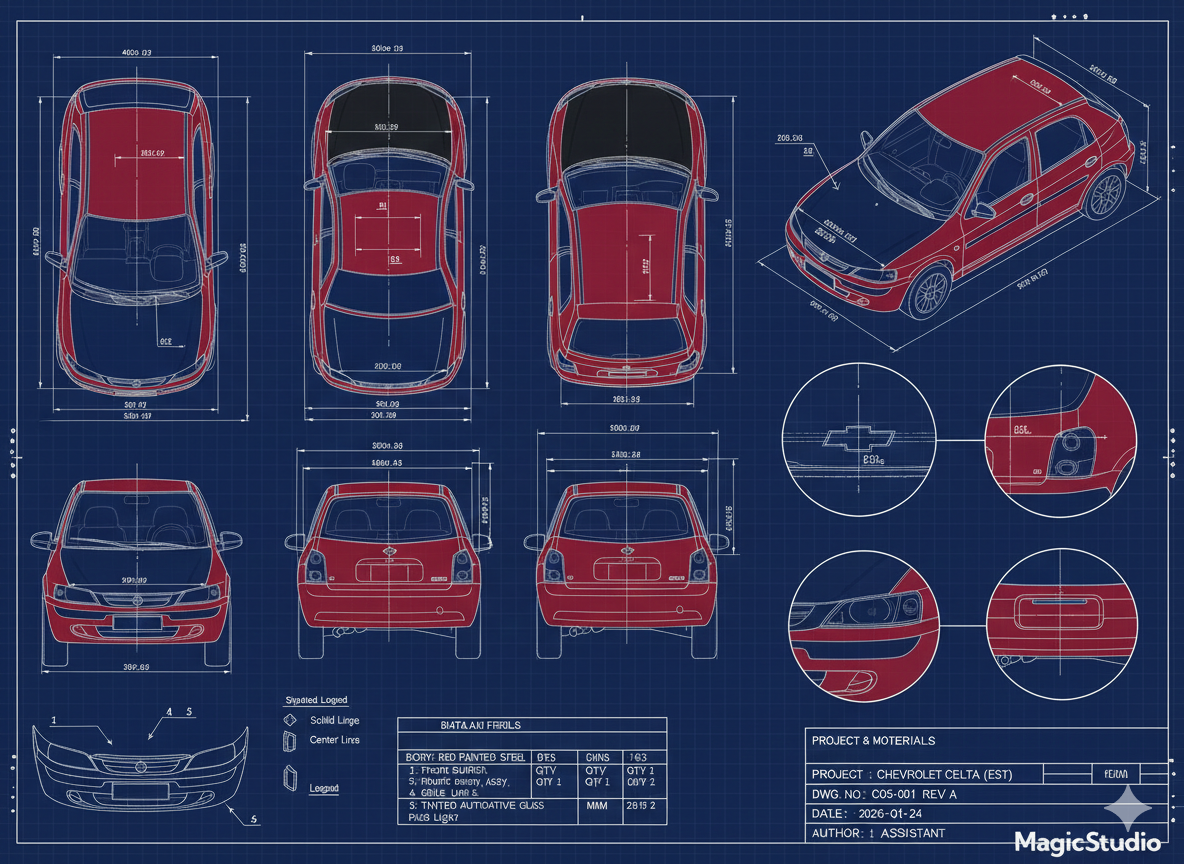
Transform the uploaded photo into a precise professional engineering blueprint of this same person, treated as a technical object. Preserve 100% of the subject’s original identity: keep facial features, bone structure, skin tone, facial expression, hairstyle, hairline, and gender exactly the same as in the input image, with no changes to face geometry or hair style.
Input image role
Use the uploaded image as the strict identity and hairstyle reference for the subject.
Do not change the person’s gender, age appearance, or general proportions of head and body.
What to generate
Convert the subject into a clean technical engineering drawing, like a blueprint character sheet, not a portrait or illustration.
Maintain accurate anatomy proportions of the subject while stylizing them as a technical object with construction lines and measurements.
Views and projections
Use orthographic projections with multiple views of the same subject: front, side, back, top, and an isometric view.
Align all views consistently on a technical drawing layout, with clear separation and clean margins.
Exploded and detail views
If applicable, add an exploded view of key elements (such as headgear, accessories, or clothing elements), with numbered callouts and leader lines.
Add several small circular or rectangular detail magnification boxes showing zoomed-in technical details of important areas (face, hairline, joints, equipment).
Dimensions and annotations
Add dimension lines with arrows, linear dimensions, angles, radii, and tolerances around relevant body and accessory features.
Where dimensions or values are inferred, clearly label them with the suffix “EST” to indicate estimated values (for example: 1750 mm EST, 35° EST, R12 EST).
Notes, legend, and BOM
Include material and surface finish notes that interpret clothing, accessories, and visible materials from the input image, marking any inferred values as “EST”.
Add a labeled parts list in classic BOM style: table with item/part number, brief description, quantity, and any key notes.
Include a symbol legend explaining line types, projection symbols, and notation used in the drawing.
Layout and title block
Add a clear scale indicator (for example: SCALE 1:10 EST) and a subtle background grid to support measurement reading.
Include a professional title block with: project title, drawing title, drawing number, revision, date, units, and author field.
Visual style and quality
Render as a pure technical drawing: thin and thick white/ice-blue lines only, no artistic shading, no painterly effects, no sketchiness, no extra stylization beyond classical engineering drawing aesthetics.
Background must be a deep, rich blueprint blue with a fine grid, high contrast, ultra sharp lines, print-ready quality, 8K resolution, and clean outer margins with no cropped elements.
Hard constraints on face and hair
Do not change or idealize the face: no beautification, no smoothing, no makeup changes, no expression changes, no changes to nose, eyes, mouth, jawline, or skull shape.
Keep the exact hairstyle from the input photo, including length, volume, direction, parting, hairline, and any facial hair, translated faithfully into linework.
Absolutely avoid generating a different person; the subject must be instantly recognizable as the same individual from the uploaded image.